Wajda Generation in Los Angeles
The Wajda Film Center and the Academy Museum of Motion Pictures will present in Los Angeles, as part of the WAJDA GENERATION project, three films directed by Agnieszka Holland and a film Korczak (1990), directed by Andrzej Wajda from her screenplay. The Academy Museum is the largest museum in the world devoted to the global arts, sciences, and artists of moviemaking. Screenings will take place July 31 – August 2, 2026.
To understand why Agnieszka Holland is the right person to represent Andrzej Wajda’s legacy before an American audience, we need to go back to the beginning of their collaboration.
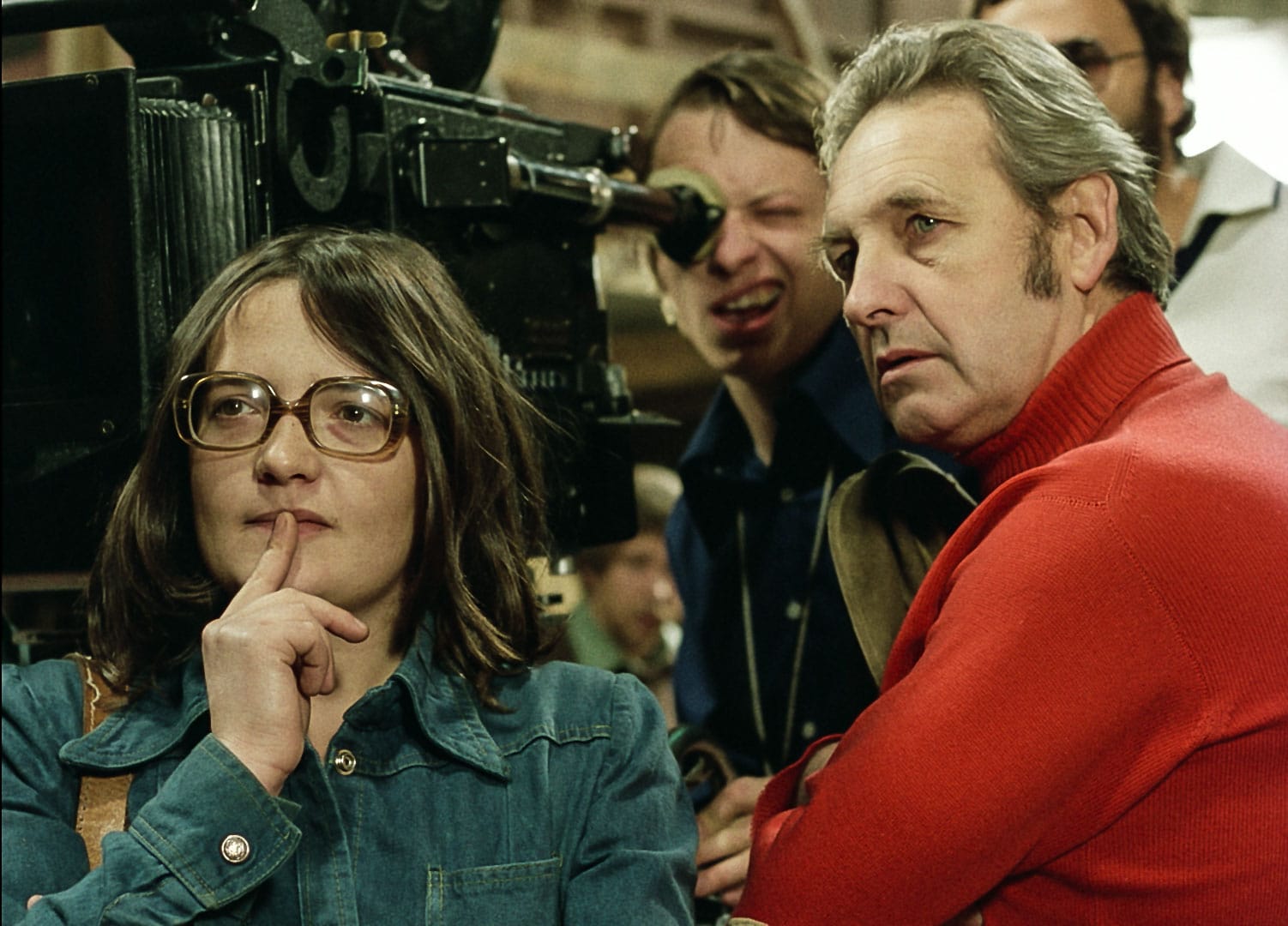
After graduating from the Prague film school FAMU in 1971, Holland returned to Poland with a graduation film that caught Wajda’s attention. He invited her almost immediately to join Film Unit “X” – the collective he led, which became the crucible of Polish cinema of moral anxiety. Wajda recognized in Holland someone who understood cinema the way he did: as an instrument of truth, not entertainment. From 1972 to 1981, Holland worked within Unit “X” every day – first as an assistant director, then as a screenwriter and director with her own voice. She wrote the screenplay for Without Anesthesia (1978) and served as first assistant director on Man of Marble (1976) – though her name never appeared in the credits, because communist censorship would not allow it.
After martial law was declared in 1981, Holland emigrated. Working in France and West Germany, she did not sever her connection with Wajda – quite the opposite: she wrote screenplays for him for Danton (1982) and Korczak (1990). The latter is particularly significant. Wajda had been considering a film about Janusz Korczak throughout the entire decade of the 1980s. From all the possible versions, he chose Holland’s. The screenplay was built on Korczak’s diaries and letters, the testimonies of witnesses, years of research. Holland understood this subject more deeply than anyone: the Holocaust, Jewish identity, the fate of children, the price of dignity. That same year, Holland directed Europa Europa.
Today, Agnieszka Holland is one of the few filmmakers in the world whose films reach both the main competition in Venice and wide distribution in the United States. Her career spans five decades, three Oscar nominations, a Golden Globe, a Silver Bear from Berlin, and the Special Jury Prize at Venice for Green Border (2023).
WAJDA GENERATION is a project initiated by the Andrzej Wajda Film Culture Center on the occasion of the Andrzej Wajda Year 2026. Its aim is to present Wajda’s cinema and the cinema of his generation as a dialogue – between artists, between Polish and world cinema, between the past and what is happening today. Agnieszka Holland is the central figure of this project: she carries within her both the legacy of Wajda’s school and a fully autonomous voice of her own – one of the most recognizable and most courageous in European cinema of the last several decades.
The Academy Museum of Motion Pictures in Los Angeles is the largest film museum in the world devoted to the global arts, sciences, and artists of moviemaking. Operated by the Academy of Motion Picture Arts and Sciences since 2021, the Academy Museum offers over 400 public screenings each year in a program that regularly draws on European, independent, and auteurist cinema alongside venerated classics and new discoveries. This is an institution that understands what Wajda’s and Holland’s films are – and the presence of WAJDA GENERATION in its program is itself a signal that Polish cinema is part of that history.
Program
Friday, July 31 – 7:30 PM
Green Border
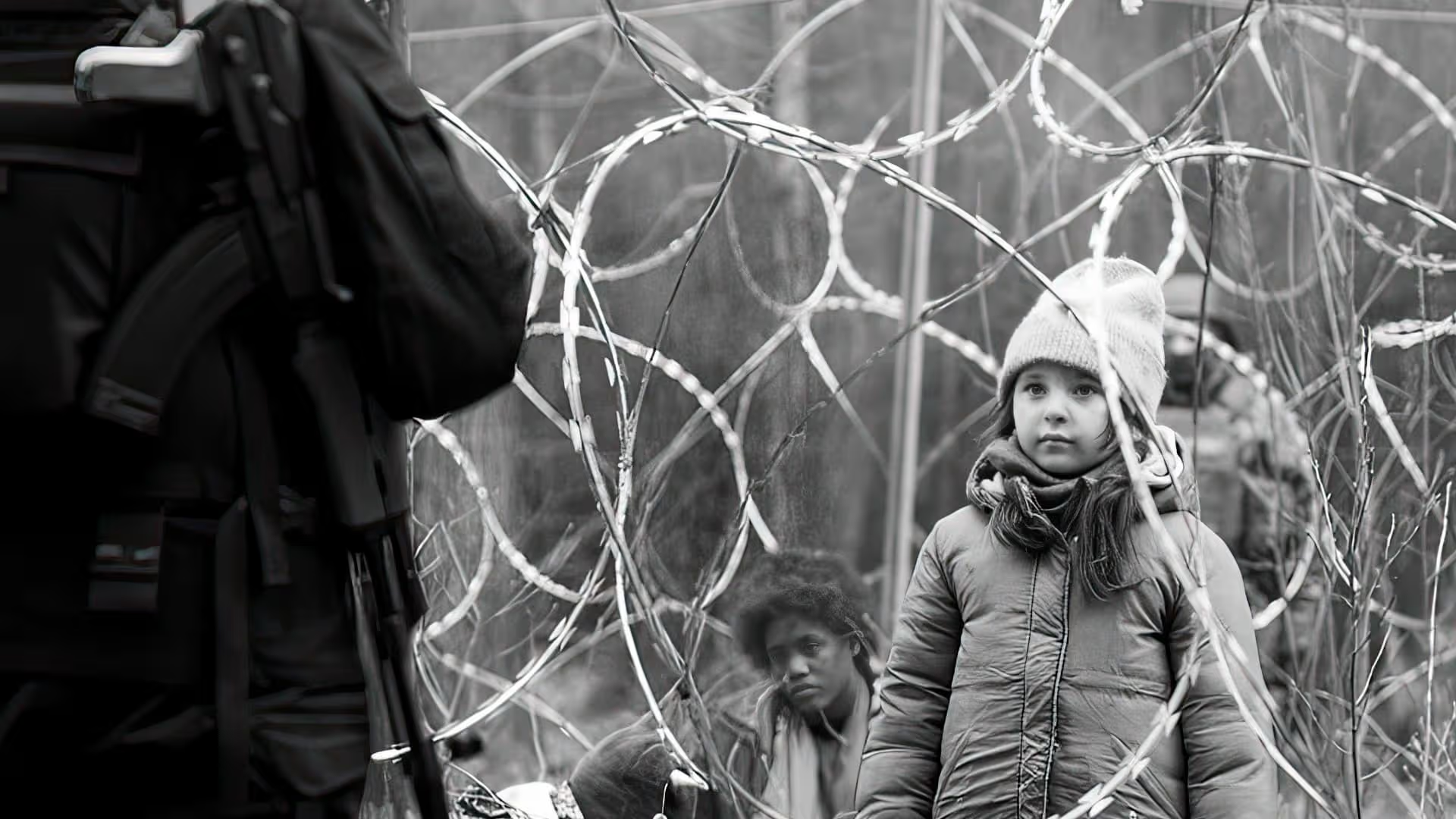
The film had its world premiere in the main competition of the 80th Venice International Film Festival, where it received the Special Jury Prize. Shot in black and white, told from three perspectives – refugees, Polish activists, and border guards – it bears witness to the humanitarian crisis on the Polish-Belarusian border. Holland based it on authentic testimonies and facts. Throughout his career, Wajda asked what human beings do to one another in extreme circumstances. Holland asks the same question today.
Saturday, August 1 – 2:30 PM
Franz
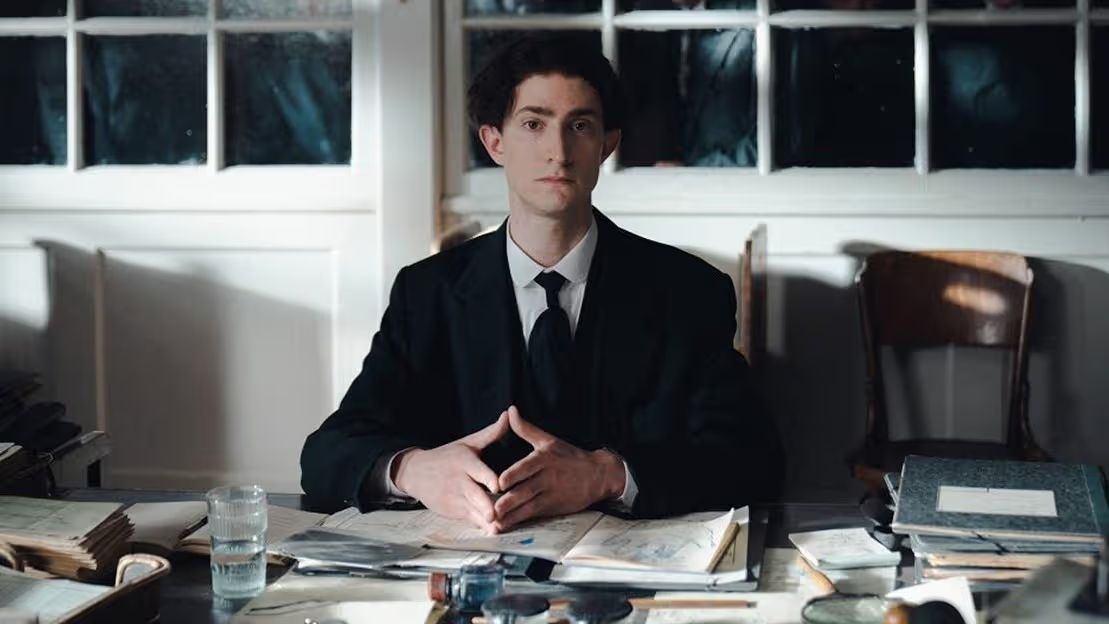
A biographical drama devoted to the life of Franz Kafka, from early youth in Prague to his death in 1924. The film constructs a non-chronological, kaleidoscopic portrait of an artist suspended between cultures – Czech, German, and Jewish – and between duty and art. Winner of the Silver Lions at the Polish Film Festival in Gdynia, as well as awards for cinematography, makeup, and lead male performance; Poland’s submission for the Academy Award for Best International Feature Film. Holland – a FAMU graduate whose life intersected with Prague and its history time and again – has considered Kafka a kindred spirit for decades. When discussing this film, she invoked Wajda’s words: you can tell a good director by their luck with the weather and the casting.
Saturday, August 1 – 7:30 PM
Europa Europa
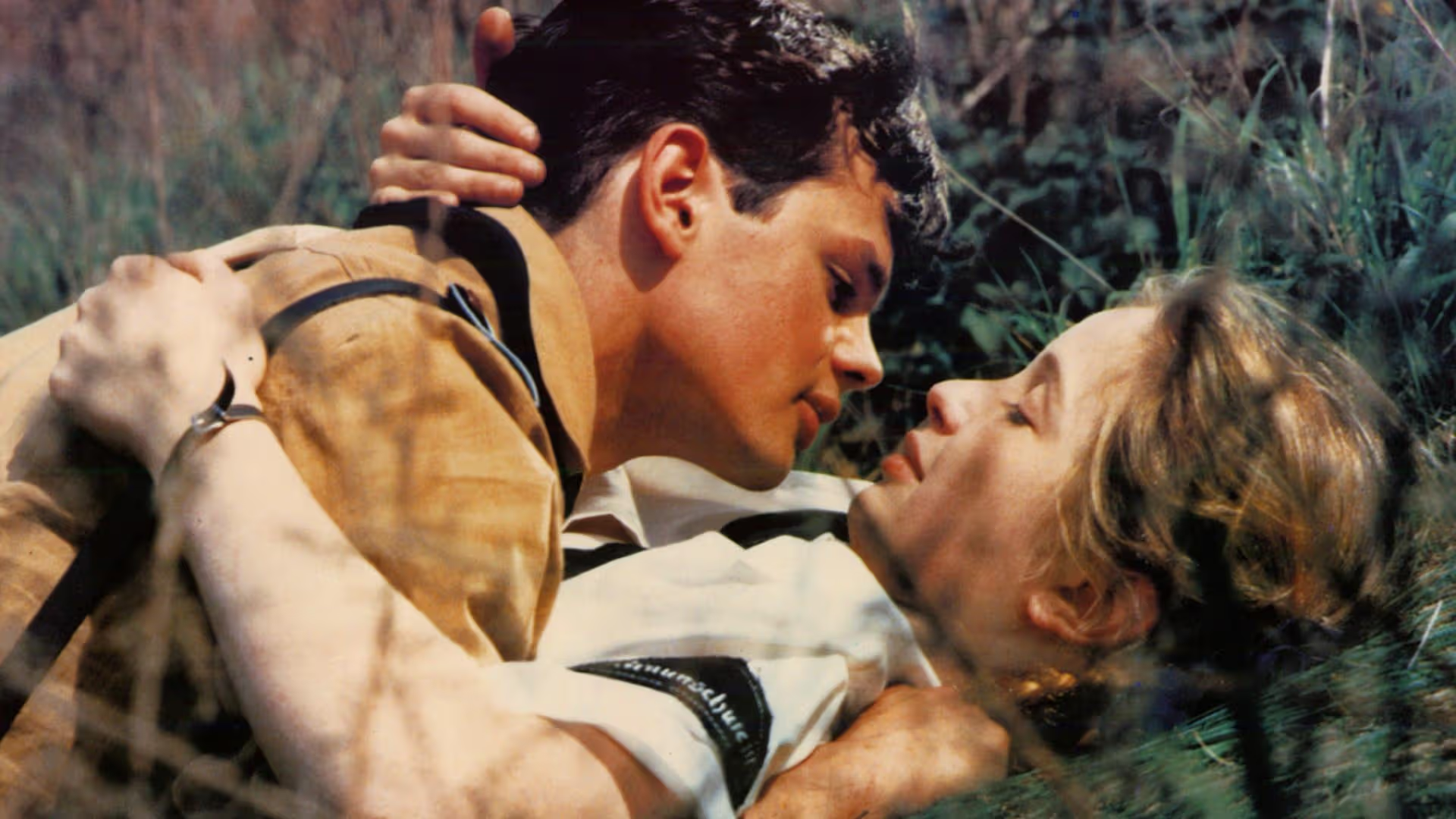
One of Agnieszka Holland’s most important films and one of the most celebrated Polish films in the history of American distribution. Based on the autobiography of Solomon Perel – a Jewish boy from Germany who survived the Holocaust by passing as an Aryan and joining the Hitler Youth. The film won the Golden Globe for Best Foreign Language Film and received an Oscar nomination for Best Adapted Screenplay. The same year Holland made Europa Europa, Wajda directed Korczak from her screenplay: both reached, simultaneously, each in their own voice, for the same subject – human dignity in the face of annihilation.
Sunday, August 2 – 1:00 PM
Korczak
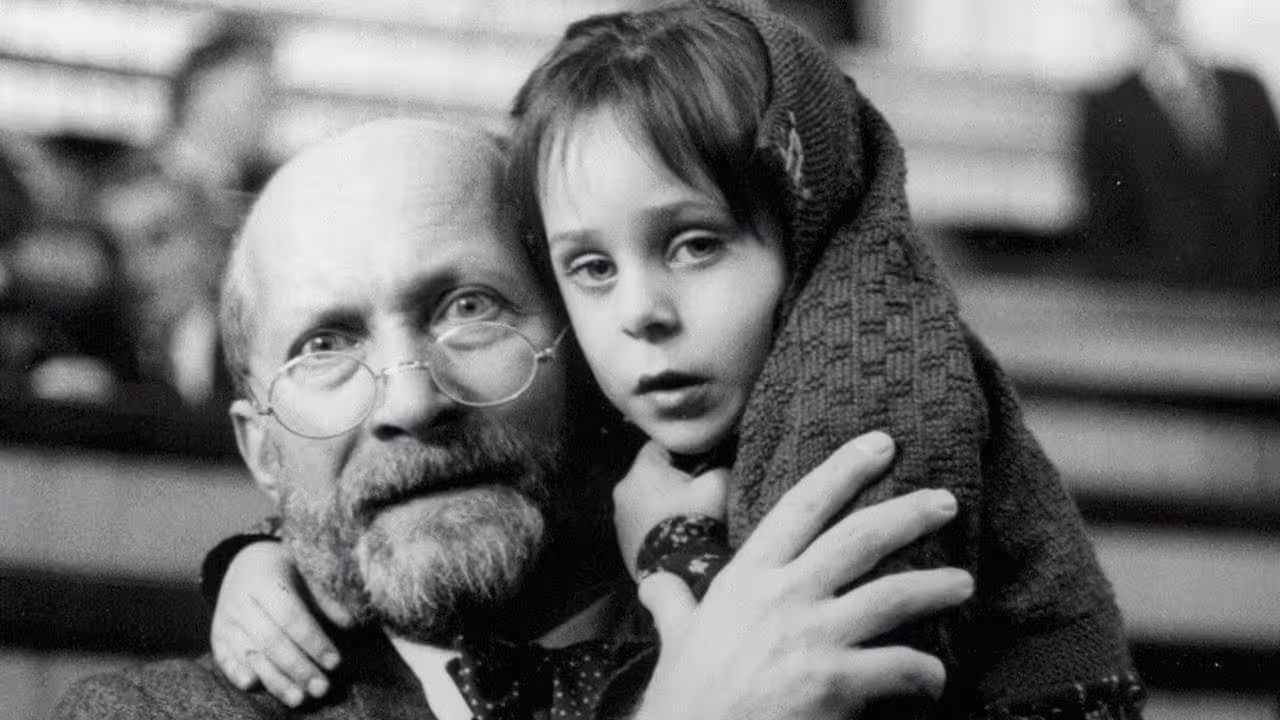
A black-and-white, near-documentary portrait of Janusz Korczak – physician, educator, and director of the House of Orphans, who in August 1942 refused to escape and walked to the Umschlagplatz together with his children. Holland’s screenplay was built on Korczak’s diaries and letters; Wajda had considered the subject throughout the entire 1980s before choosing her version. Screened at the Cannes Film Festival (1990) and selected as Poland’s submission for the Academy Award. It was screened in schools in Israel.
The event is organized by the Wajda Film Centre and the Academy Museum of Motion Pictures.
Co-financed by the Minister of Culture and National Heritage from the Culture Promotion Fund – a state special-purpose fund.

The project is carried out with funding granted pursuant to the Act of 30 June 2005 on Cinematography (Journal of Laws of 2023, item 130) and its implementing regulations, and in accordance with the Operational Programmes of the Polish Film Institute. The funding was awarded by the Polish Film Institute from the Culture Promotion Fund as part of the funds allocated in 2026 to support the statutory activities of the Polish Film Institute, in connection with the implementation of the following Operational Programmes: Dissemination of Film Culture, Film Production, Cinema Development, and Promotion of Polish Films Abroad.